Custom Sublimated Polos: The All-Over Print Guide
What custom sublimated polo shirts are, why cut-and-sew all-over print is replacing the logo-on-a-blank polo for golf, corporate and restaurant teams, what they cost, how long they take, and the other sublimated gear we make.
Walk a trade show floor, a charity golf tournament or a busy restaurant patio this year and you'll notice the polos look different. Instead of a plain navy shirt with a small embroidered logo, teams are wearing shirts where the design covers the whole garment: a brand pattern across the body, sponsor logos on the sleeves, a stripe that runs clean across the chest and around the back. Those are custom sublimated polos, and they are the fastest-growing thing we make in Miami.
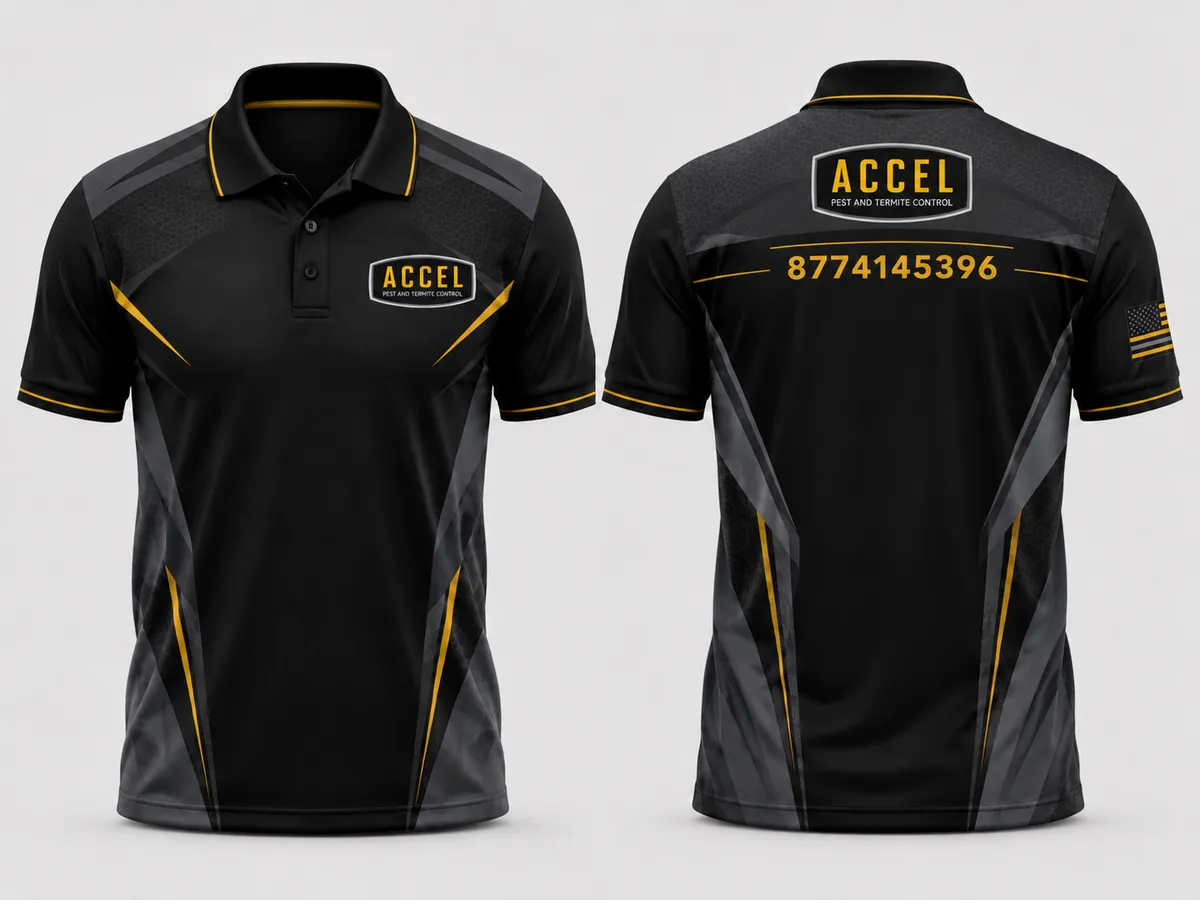
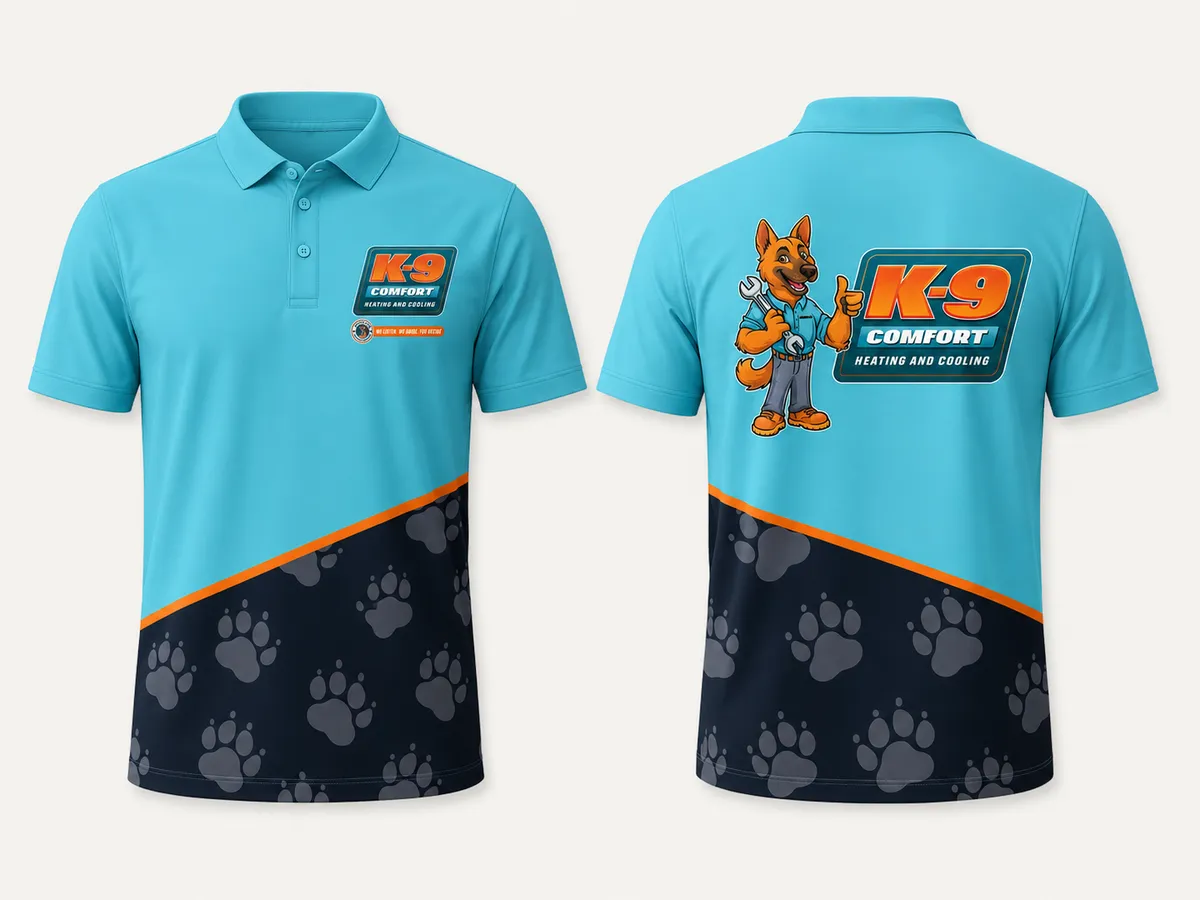
Here's a look at a few that just left our shop, then everything you need to know: what sublimated polo shirts are, why they're suddenly everywhere, what they cost, how long they take, and the other sublimated gear we build with the same process.
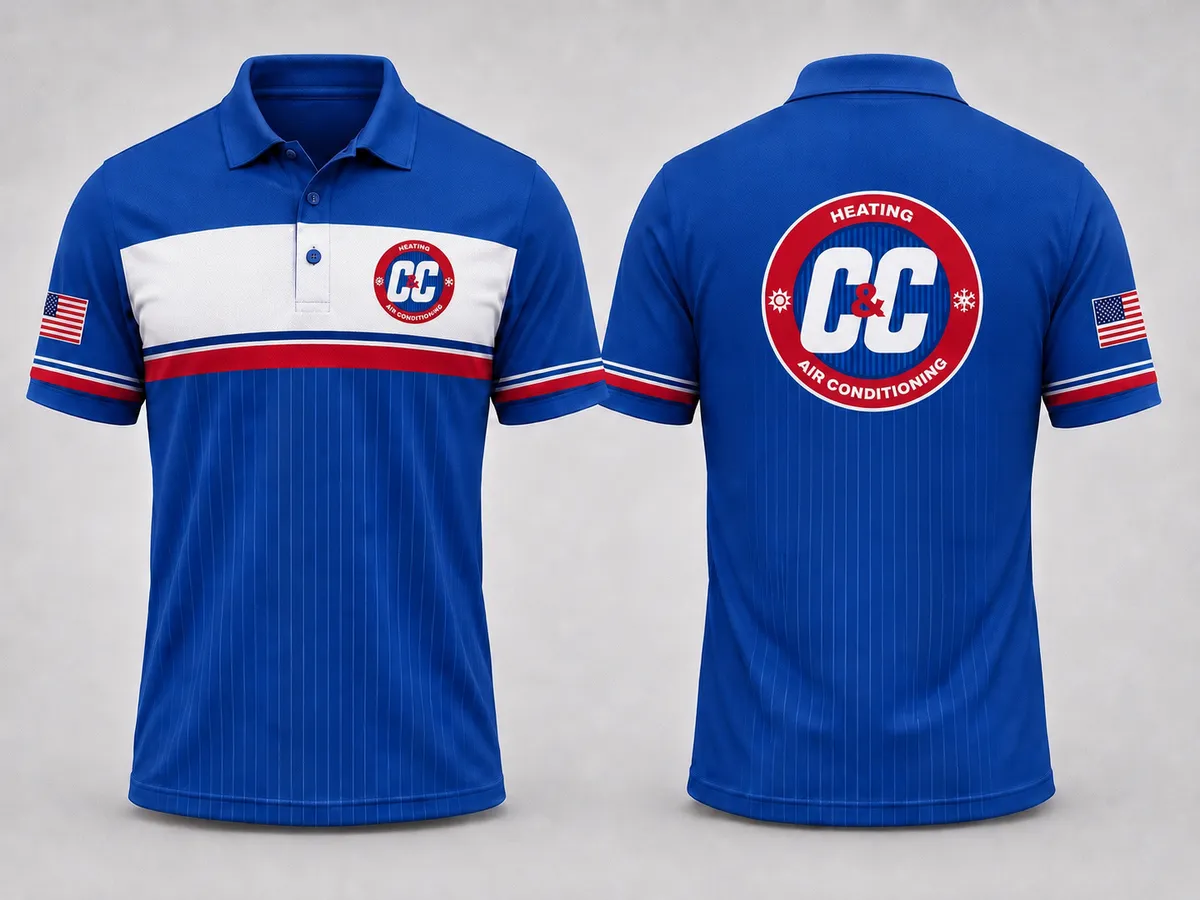
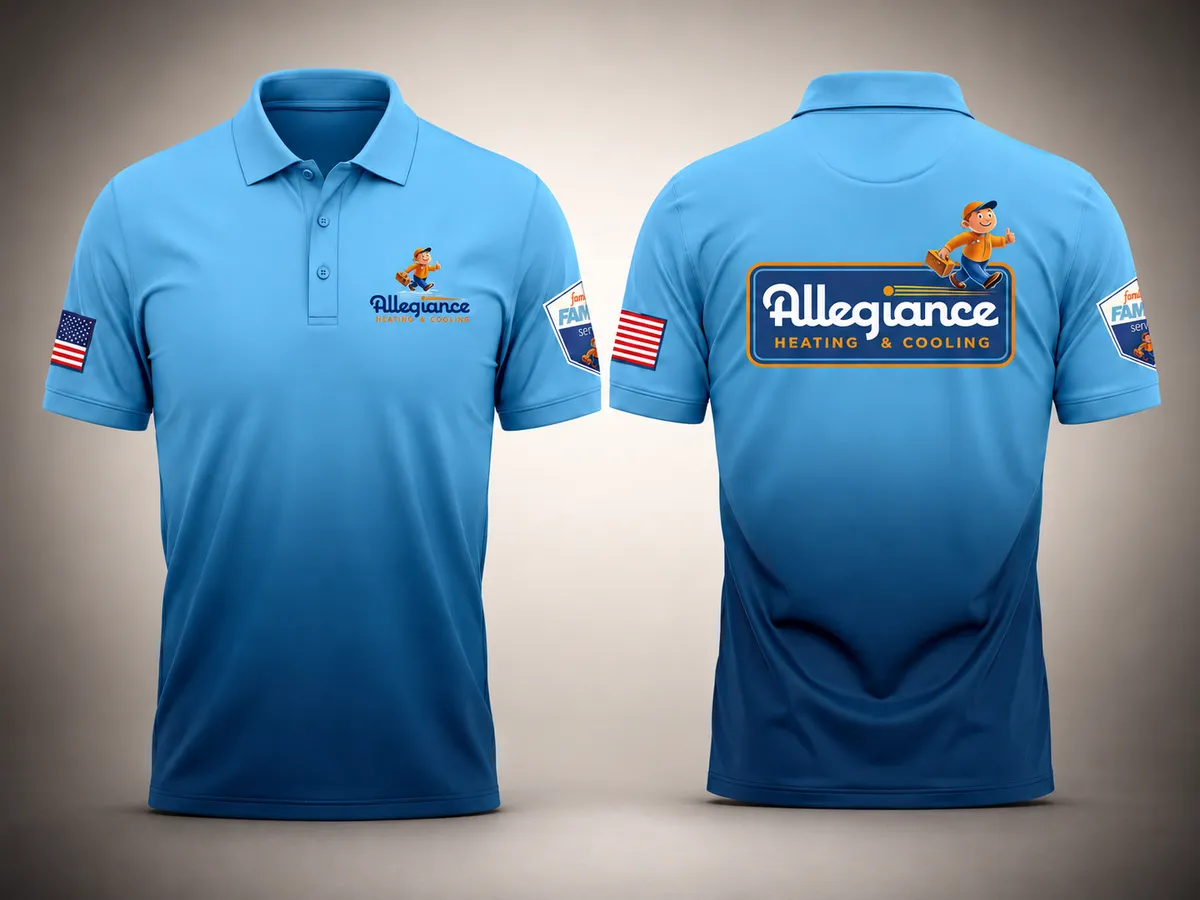
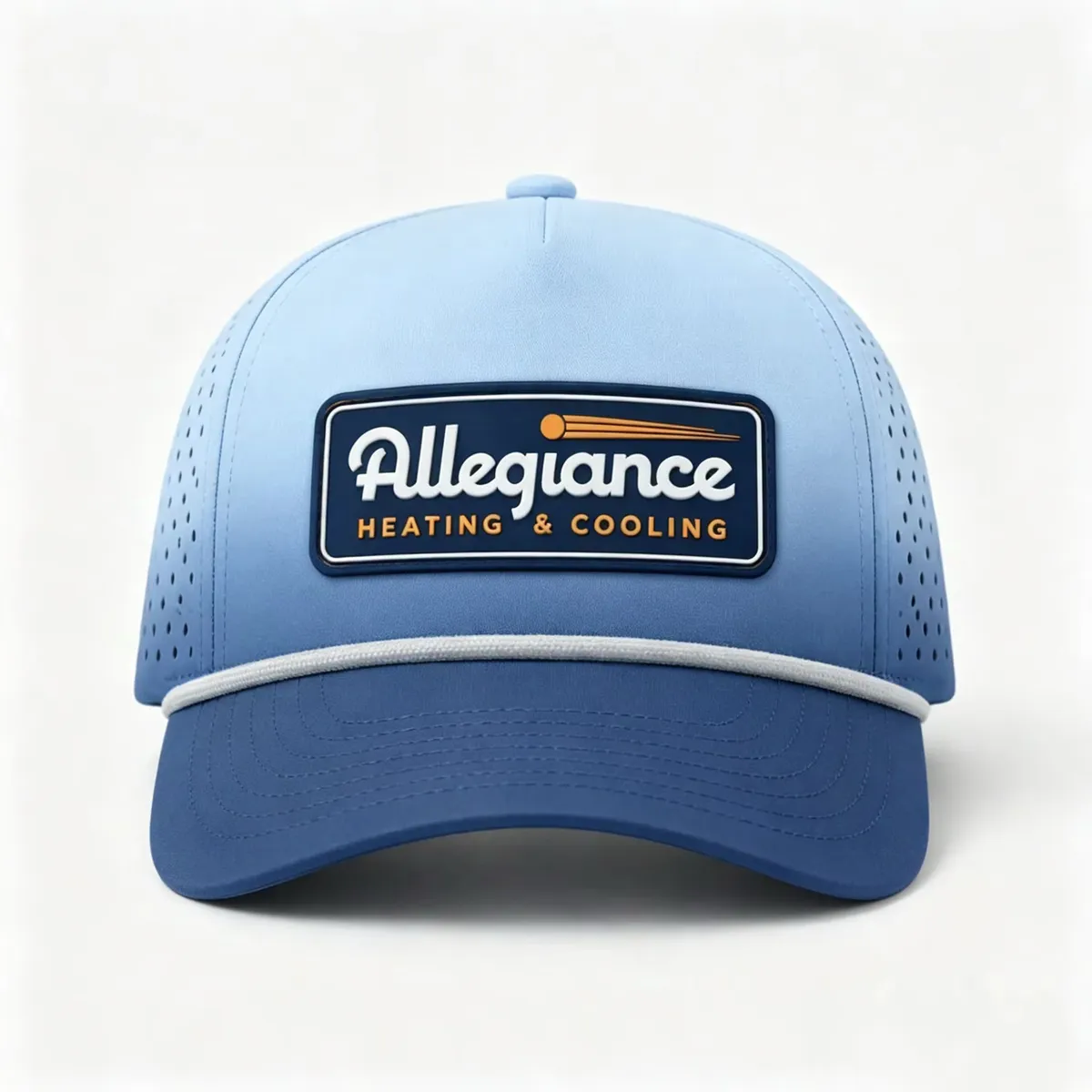
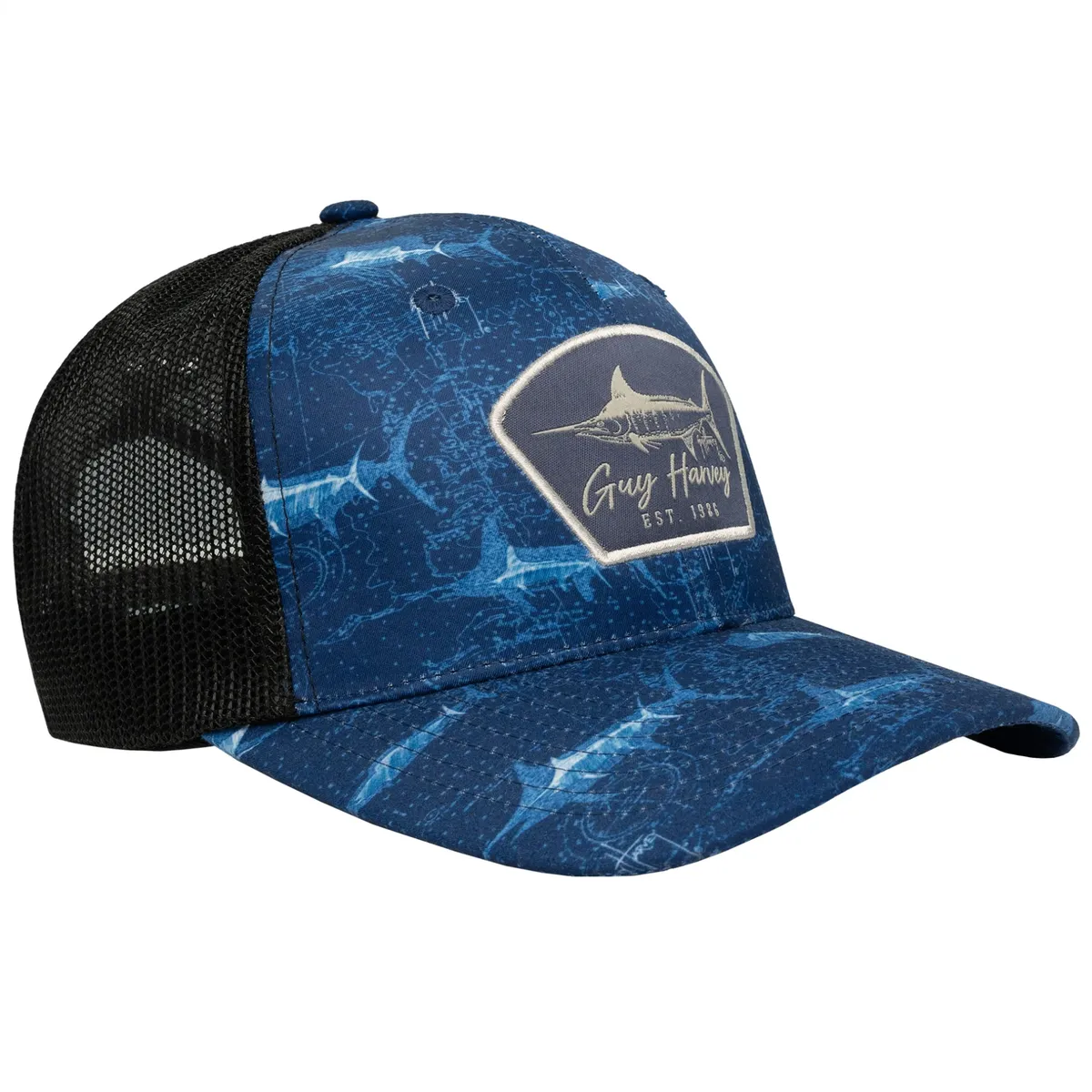
What a sublimated polo actually is
Dye sublimation is a printing process where ink is heated until it turns into a gas and bonds with polyester fibers. The design doesn't sit on top of the fabric the way a screen print or a heat transfer does. It becomes part of the fabric.
A cut-and-sew sublimated polo takes that one step further. We don't print on a finished shirt. We print your design onto rolls of fabric first, then cut the panels and sew the polo from scratch. That's why an all over print polo can run edge to edge, across seams, over the collar and down the placket with no blank spots.
Compare that to the two ways polo shirts have traditionally been branded:
| Embroidered polo | Screen-printed polo | Sublimated cut-and-sew polo | |
|---|---|---|---|
| Starts from | Stock blank | Stock blank | Printed fabric, sewn to order |
| Print area | One or two small spots | Chest and back | The entire garment |
| Colors | Thread colors, limited detail | Priced per color | Unlimited, photos and gradients included |
| Feel | Raised stitching | Ink layer on the surface | Nothing on the surface, fabric feels the same everywhere |
| Durability | Excellent | Good, can crack over time | Excellent, won't crack, peel or fade |
| Fit options | Whatever the blank comes in | Whatever the blank comes in | Fully custom |
Why sublimated polos are taking over right now
A few things changed at once.
Brands got tired of looking like everyone else. Every company in a trade show hall used to be wearing the same Port Authority K500 in a different color. An all-over design is recognizable from across the room, and that matters when a booth has five seconds to catch someone's eye.
Golf went big on patterns. Tournament committees and country clubs want golf polos that photograph well and that players actually keep wearing. A sublimated golf polo with the event branding woven into a pattern looks like retail, not like a giveaway. Sponsor logos go on the sleeves without crowding the chest.
Restaurants and bars want a vibe, not a uniform. Operators are using sublimated staff polos the way they use interior design. Tropical prints for a beach bar, a subtle tone-on-tone pattern for a steakhouse, a bold color block for a sports bar. The shirt is part of the brand.
Performance fabric became the default. Sublimation only works on polyester, which turns out to be exactly what people want to wear in the heat anyway. Lightweight, moisture-wicking, quick-drying. In Florida that's not a feature, it's a requirement.
Social media rewards it. A team in matching all-over print polos gets photographed. A team in plain polos with a left-chest logo doesn't.
Who's ordering them
The orders we see most often at our Miami facility:
- Corporate teams for trade shows, company outings and sales kickoffs, where the goal is to be spotted instantly.
- Golf tournaments and clubs that want tournament-day polos with sponsor placements and a branded pattern.
- Restaurants, bars and hospitality groups building staff polos that match the room.
- Trade companies in HVAC, pest control, landscaping and solar, who want durable work polos that still look sharp after a season of daily wear and washing. Three of the polos in the slideshow above are trade crews.
- Schools and athletic programs for spirit wear and coaching staff.
- Retail and lifestyle brands selling polos as premium merch, where a one-of-a-kind design justifies the price tag.
Durability: this is the part people doubt
The most common question we get is whether an all-over print holds up. It does, and it outlasts the alternatives.
Because the ink is inside the polyester rather than on top of it, there's nothing to crack, peel or flake. The shirt can be washed hundreds of times and the print will look the same as the day it shipped. There is no raised layer to catch on things, no texture that changes how the fabric breathes, and no plastisol that gets tacky in the heat. For a crew that wears the same shirts five days a week, that's the whole argument.
The one rule: keep them away from bleach and high dryer heat, same as any performance polyester.
What custom sublimated polos cost
Cut-and-sew polos are priced per piece with a one-time art fee, and the per-piece price drops with quantity. Current pricing on our custom sublimated polos page runs roughly:
| Quantity | Per polo |
|---|---|
| 24 to 49 | about $40 |
| 50 to 99 | about $36 |
| 100 to 249 | about $34 |
| 250 to 499 | about $30 |
| 500+ | about $28 |
Plus a one-time art and pattern setup fee of $150, which covers building your design into the garment pattern. Reorders skip it. Every order ships free by UPS Ground anywhere in the United States.
For context, a decent performance polo blank plus a two-location embroidery job lands in the same neighborhood per piece, and you get a small logo on a stock shirt. With sublimation the same money buys the whole garment as your canvas, in a custom fit.
Pricing moves with fabric and quantity, so treat these numbers as a guide and check the live configurator on the product page for your exact run.
See live pricing for your quantityMinimum order and lead time
- Minimum: 24 polos per design. Because every polo is cut and sewn to order, there is a pattern and setup process that makes small runs impractical.
- Lead time: plan on 1 to 2 months from approved artwork to delivery. That's longer than a screen print or embroidery job on a stock blank (usually about two weeks), because we're manufacturing the garment, not decorating one. If you have a tournament date or an event, start early. Rush options exist for some runs, so ask.
- Proofs: you approve a full mockup before anything prints. Nothing goes to production until you've signed off.
Designing for all-over print
A few things that make a sublimated polo look great instead of busy:
- Pick a hero element and a background. A pattern, a stripe or a gradient does the heavy lifting across the body. Logos go in two or three deliberate places: left chest, sleeve, back yoke.
- Use vector art for logos. Patterns and photos can be raster at high resolution, but logos should be vector so they stay crisp at any size.
- Mind the seams. Designs cross seams, but intricate details placed exactly on a seam will shift slightly. Keep fine text off seam lines.
- Think about the collar and placket. They can match the body, contrast it, or carry a stripe. This is where a polo starts to look custom instead of printed.
- Light colors are free. There's no white ink problem and no color limit, so pale backgrounds, pastels and gradients cost nothing extra.
Not a designer? Our in-house art team can take a logo and a direction ("tropical, dark navy base, sponsor logos on sleeves") and build the full pattern. If you need a logo from scratch, see our custom logo design service.
It's not just polos: everything we sublimate
The same printed-fabric, cut-and-sew process works for any polyester garment. The sublimated polo is the one everybody asks about, but we build the full kit:
- Sublimated fishing shirts. Long-sleeve performance fishing shirts with all-over graphics, sponsor panels and UPF fabric. The standard for tournament teams, charter boats and fishing brands.
- Sublimated sweatshirts and hoodies. Full-coverage designs on poly fleece for school spirit wear, event merch and team travel gear.
- Sublimated t-shirts and jerseys. All-over print tees, crew jerseys and esports jerseys with names and numbers printed in.
- Sublimated hats. Full-print caps and visors that match the rest of the kit, like the two at the end of the slideshow.
If you're building a team look, start with the custom sublimated polos page for polos, and reach out through our contact page for fishing shirts, hoodies, tees and hats. Tell us the pieces, the quantities and the date, and we'll send a quote and mockups.
For stock performance blanks decorated with screen print or embroidery, which is faster and cheaper for small runs, see custom performance apparel and our dri-fit t-shirt guide.
Sublimated vs embroidered polos: how to choose
Choose embroidery when you need under 24 pieces, you want a classic corporate look with a single logo, or you need the shirts in two weeks.
Choose sublimation when you want the design to cover the shirt, you have more than a couple of colors or a photo or gradient, you want a custom fit, or you want the shirts to look like retail rather than a uniform.
Plenty of teams do both: embroidered polos for the office, sublimated polos for the event.
Design your custom sublimated polosFrequently asked questions
What is a sublimated polo shirt?
A polyester polo whose design is printed into the fabric with heat instead of on top of it. Ours are cut-and-sew: the fabric is printed first, then cut and sewn into the finished shirt, so the design covers the whole garment with unlimited colors.
How much do custom sublimated polos cost?
About $40 each at 24 to 49 pieces, dropping to about $28 at 500 or more, plus a one-time $150 art and pattern fee. Shipping is free in the United States. See the table above and the live pricing on the product page.
What is the minimum order?
24 polos per design.
How long do they take?
1 to 2 months from approved artwork to delivery.
Do sublimated polos fade, crack or peel?
No. The ink is inside the fibers, so there's nothing on the surface to fail. They look the same after hundreds of washes. Skip bleach and high dryer heat.
Can you sublimate other garments?
Yes: fishing shirts, sweatshirts and hoodies, t-shirts and jerseys, and hats. Contact us with the pieces, quantities and date.
Bottom line
Sublimated cut-and-sew polos are the first real change in how polos are branded in twenty years. The print is permanent, the colors are unlimited, the fit is custom, and the shirts get noticed. They cost about the same as a nice embroidered polo, they take longer, and they need a 24-piece minimum. If those two constraints work for your timeline, there is nothing else in custom apparel that gets this reaction.
Design your custom sublimated polosRelated guides
- Materials
Custom Dri-FIT T-Shirts: When and Where to Use Performance Apparel
A guide to custom moisture-wicking performance t-shirts — what they're good for, which climates and states to choose them in, the industries we recommend them for, and why decoration method matters on polyester.
June 19, 2026 - Process
How Long Does Custom Embroidery Take for 50 Polos?
The real timeline from order to delivery — what's actually slow (and what isn't), stitch-count math, and how to compress it when you're on a deadline.
May 21, 2026 - Decoration Methods
Embroidery vs Screen Printing: Which Is Right for Your Logo?
When embroidery beats screen printing and when it doesn't — durability, cost, fabric, and logo detail — so you pick the right method for your garment and budget.
August 4, 2026
More from this category
- Decoration Methods
Embroidery vs Screen Printing: Which Is Right for Your Logo?
When embroidery beats screen printing and when it doesn't — durability, cost, fabric, and logo detail — so you pick the right method for your garment and budget.
August 4, 2026 - Decoration Methods
DTF vs Screen Printing for Restaurant Uniforms
Which decoration method survives industrial wash cycles, grease, and daily wear better — and the hybrid approach most multi-location restaurants land on.
May 21, 2026
Last updated October 15, 2026